Discover Rooflights for Improved Ventilation
Creative Skylight Designs: Creative Approaches to Transform Your Home Aesthetic
Creative skylight designs offer an exceptional chance to improve interior spaces. By incorporating distinctive shapes and multi-panel options, homeowners can significantly transform the atmosphere of their living spaces. Such elements not only fulfill decorative roles but also enhance energy performance and practicality. Appreciating the powerful benefits of skylights can help direct thoughtful selections. Yet, the question remains: how can one select the perfect skylight to harmonize with their personal style and home design?
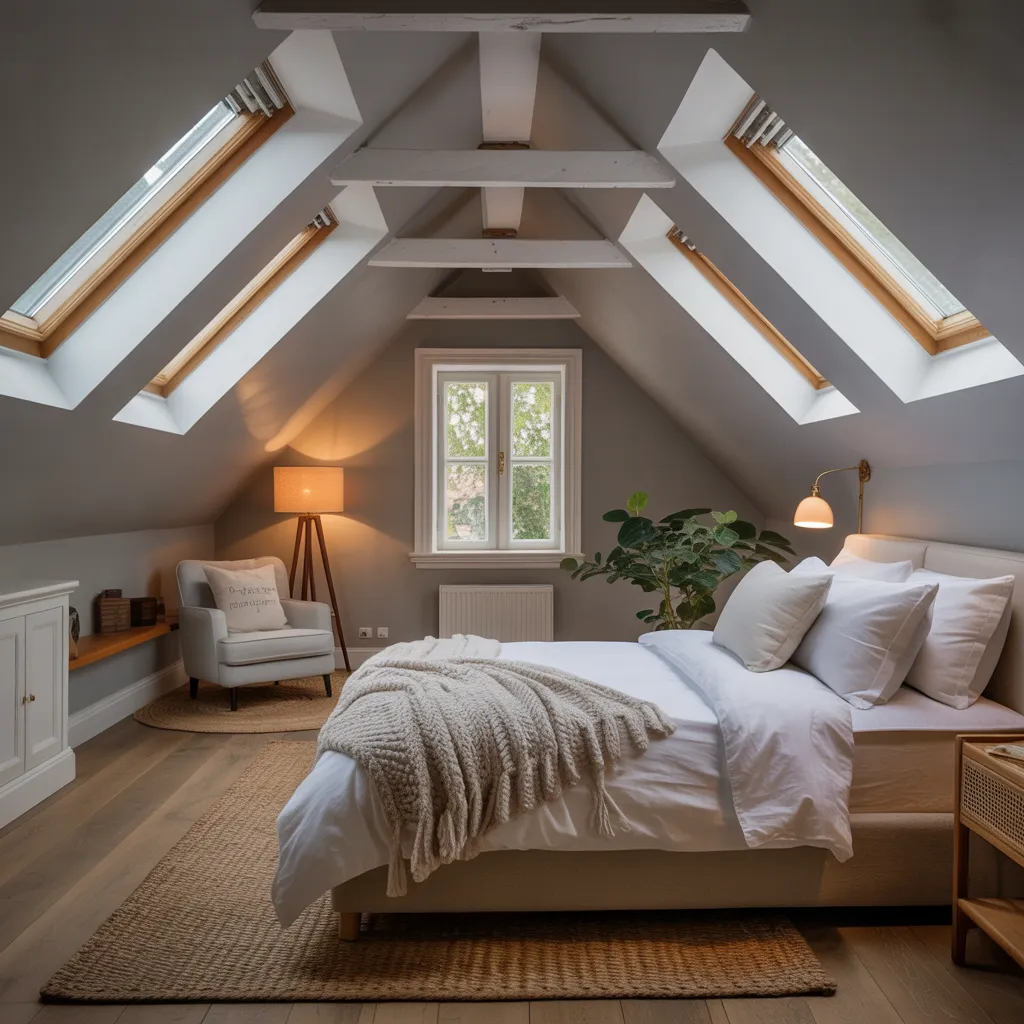
The Transformative Impact of Skylights on Interior Design
Even though various aspects influence interior design, skylights remain notable for their significant impact. They serve as a crucial source of natural light, elevating the entire mood of an area. By flooding interiors with sunlight, skylights can make rooms feel larger and more inviting, creating a sense of openness that artificial lighting often fails to achieve. Additionally, the introduction of natural light has been shown to improve mood and productivity, positioning skylights as an ideal solution for both home and business applications.
Additionally, skylights can reduce the need for artificial lighting, contributing to energy savings and a diminished carbon footprint. How they are installed can also showcase architectural features, lending a remarkable aesthetic appeal to the space. With various styles and sizes to choose from, skylights can be adjusted to align with a variety of interior themes, making them a multifaceted option for enhancing both beauty and functionality in every space.
Remarkable Geometric Skylight Configurations to Review
Distinctive geometric skylight designs can significantly improve indoor environments by bringing visual depth and charm. Triangular skylight styles provide a contemporary feel, while round alternatives bring a sense of softness and fluidity. Both designs deliver distinct ways to integrate natural light into diverse architectural designs.
Triangular Skylight Designs
Triangular skylights provide a striking departure from conventional forms, drawing the eye with their angular beauty. Such exceptional skylights are capable of revolutionizing any interior, introducing an element of modernism while maximizing relevant resource natural light. Their distinct angles create dynamic visual interest, making them ideal for contemporary interiors. Furthermore, triangular designs can be seamlessly integrated into various architectural styles, spanning minimalist to industrial influences. By enabling natural light to stream in from various directions, they improve the mood and spatial quality of an interior. Furthermore, the versatility of triangular skylights enables customization, accommodating a variety of personal design tastes. In the end, these innovative designs not only elevate interior decor but also contribute to a brighter, more inviting atmosphere.
Round Skylight Choices
Round skylight designs offer a sophisticated and cohesive option for improving indoor environments. These remarkable geometric forms not only welcome abundant daylight but also create a stunning focal point. Found in multiple dimensions, circular skylights can integrate naturally with different architectural styles, from modern to traditional. Their uniform design fosters a sense of balance, making them ideal for rooms that perform well with subdued natural light, such as living areas and bedrooms. Additionally, cutting-edge glazing systems deliver energy efficiency while limiting energy dissipation. Customization options, including decorative frames and tinted glass, allow homeowners to tailor their designs distinctively. Ultimately, circular skylights serve as an ideal marriage of aesthetics and utility, enhancing both visual appeal and atmosphere in any interior setting.
Multi-Panel Roof Skylights: A Sleek Modern Look
As homeowners aim to merge natural light with contemporary aesthetics, multi-panel skylights emerge as an elegant solution. These architectural elements are made up of several adjoining panels, providing expansive views of the sky while optimizing daylight. Their modular design offers flexibility, making them ideal for a wide range of roof shapes and sizes, while enhancing the overall aesthetic of both modern and traditional homes.
Multiple-panel skylights can create striking visual lines and add depth to interior spaces. Available in various materials, like acrylic and glass, they are customizable to suit individual tastes. Furthermore, the arrangement of panels can be set up to produce unique geometric patterns, offering a dynamic focal point in a room.
Integrating multi-panel skylight systems not only improves the visual appeal of living spaces but also nurtures a bond with the natural environment, elevating the living experience. This remarkable design feature is set to redefine the approach to daylight in interior design.
How Installing Skylights Can Improve Energy Efficiency in Your Home
While many homeowners prioritize aesthetics when considering skylights, their energy efficiency benefits are equally significant. Skylights can improve the natural lighting in a home, decreasing dependence on artificial lighting throughout the day. This not only lowers electricity bills but also creates a healthier indoor environment.
Additionally, contemporary skylights frequently incorporate high-performance glazing that limits heat escape in winter while preventing excess heat buildup in summer. This improved insulation can lead to more effective temperature management, reducing the need for heating and cooling systems. Additionally, carefully positioned skylights can promote cross-ventilation, further enhancing a home's energy efficiency by allowing fresh air to circulate naturally.
How to Integrate Skylights With Smart Home Technology
Merging skylights with smart home technology redefines the way natural light and ventilation are managed inside a home. Through the use of automated systems, homeowners can regulate skylight functionality based on weather conditions or personal preferences. Smart sensors can detect sunlight intensity and adjust the skylight openings to optimize natural light while minimizing heat gain.
Additionally, such systems can be programmed to operate on schedules, permitting air circulation during particular times of the day. Linking with home automation hubs enables remote management via smartphones or voice commands, improving overall convenience. In addition, energy-efficient skylights integrated with smart technology can issue alerts for maintenance needs, maintaining longevity and performance.
At the end of the day, the combination of skylights and smart technology not only boosts everyday comfort but also promotes energy savings, enabling homeowners to benefit from the rewards of natural light without compromising management.
Helpful Tips for Selecting the Ideal Skylight for Your Home
Choosing the right skylight involves careful evaluation of various factors to enhance both functionality and aesthetics. Property owners should begin by evaluating the function of the skylight, regardless of whether it is for natural light, ventilation, or both. This choice impacts the placement and type of the skylight.
Next, one must take into account the dimensions; greater skylight sizes admit more illumination but could need supplementary structural backing. Energy performance is another key factor; opting for designs with insulated glazing helps reduce energy costs.
Regional climate conditions are also a contributing factor; resilient materials are required for locations subject to harsh weather conditions. In addition, residents should consider shading alternatives to regulate light exposure and heat accumulation.
Finally, professional installation is strongly suggested to secure precise sealing and alignment, reducing leaks and improving overall performance. By strategically assessing these components, homeowners can identify skylights that meaningfully elevate their living environments.

Frequently Asked Questions
What Are the Maintenance Requirements for Different Skylight Types?
Various skylight styles demand different upkeep; non-opening versions necessitate routine cleaning, while vented options necessitate checking seals and mechanisms. Routine checks for leaks and clearing of debris are critical to ensure optimal function and extended lifespan.
Can Skylights Be Added to an Existing Home?
Skylights are indeed a viable option for existing homes. Experienced specialists evaluate the structural soundness and roofing materials prior to installation, guaranteeing adequate sealing and insulation to avoid leaks and improve energy efficiency, ultimately improving the living space's natural light.
How Do Skylights Impact Indoor Temperature Control?
Skylights can notably affect indoor temperature regulation by enabling natural light to penetrate, which can heat interiors throughout the cooler months. However, without proper insulation and shading, they can also lead to elevated temperatures throughout the hotter seasons.
Do Skylights Present Any Safety Concerns?
Indeed, skylights come with safety concerns that include potential leaks, structural integrity issues, and risks of breakage. Correct installation, routine maintenance, and the use of tempered or laminated glass can reduce these risks and improve safety.
What Are the Most Suitable Materials for Skylight Frames?
Aluminum and vinyl are often considered the best materials for skylight frames owing to their long-lasting nature, minimal upkeep requirements, and ability to withstand weathering. Timber frames, despite their attractive appearance, necessitate more care and tend to be vulnerable to decay.